- Glasgow 0141 221 0221
- Edinburgh
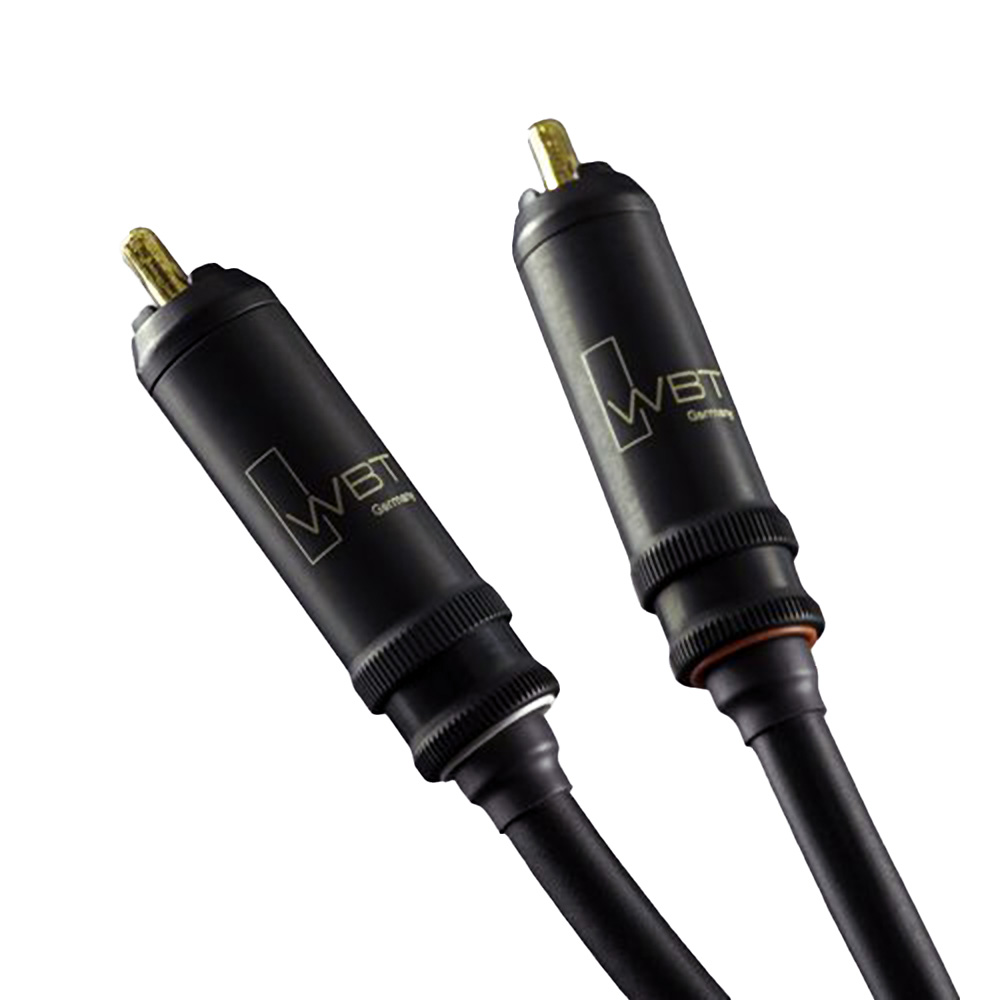
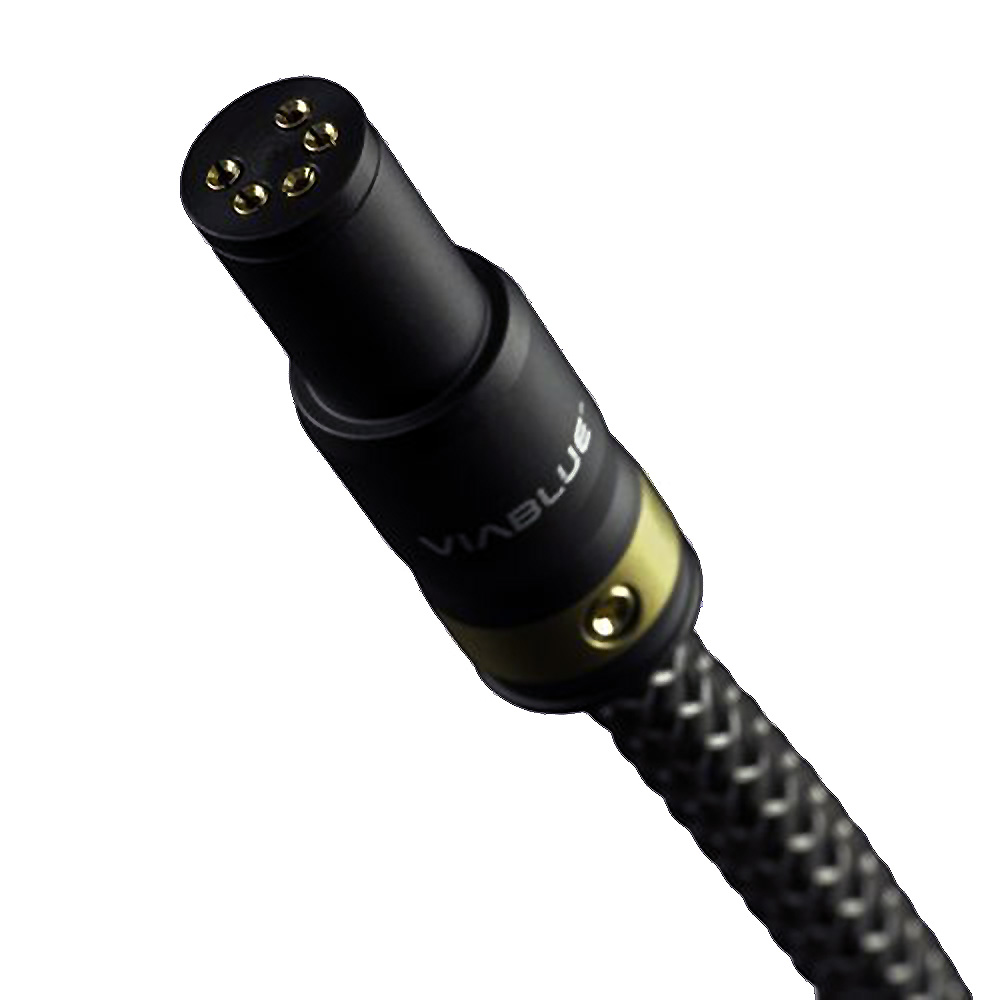
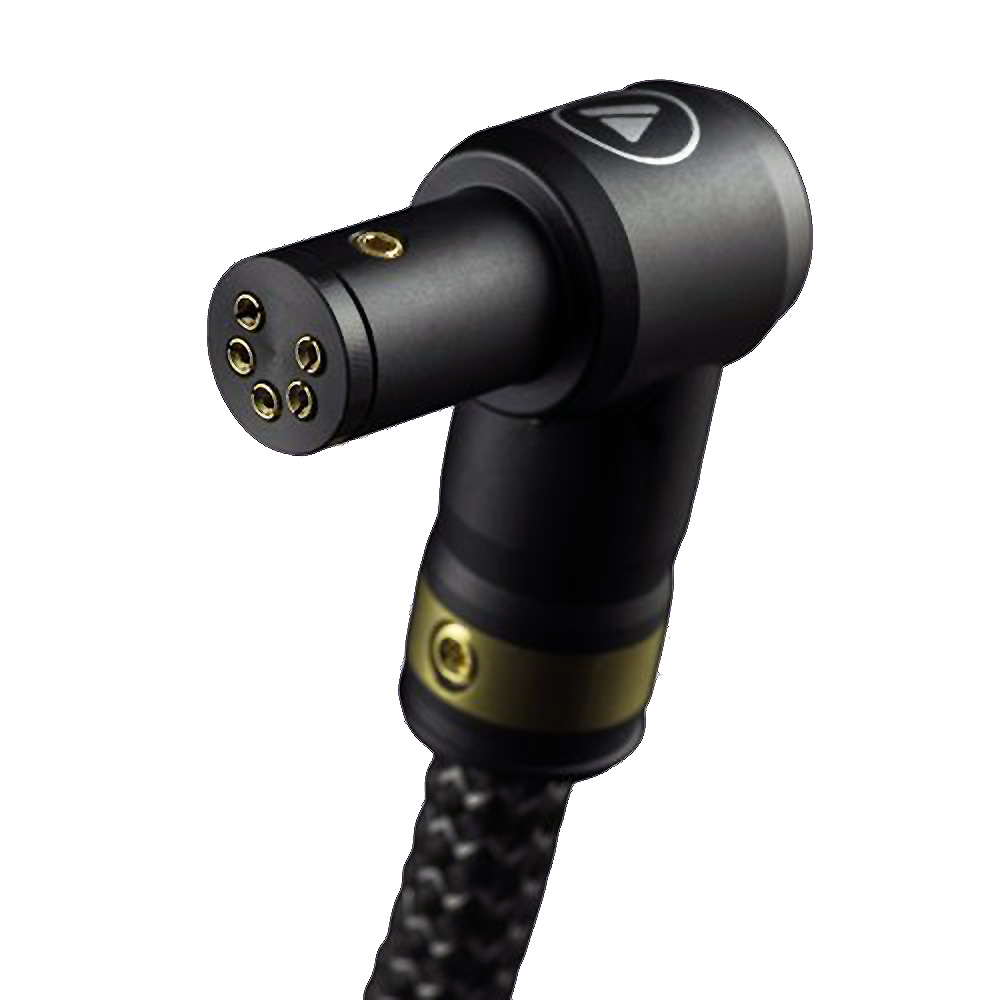
For over 20 years, we have focused on designing and building some of the finest tonearms available. In recent years, we have brought that same focus and discipline to tonearm cable design, taking the time to understand what truly matters at cartridge signal levels.
The answer is not mysterious. It’s just physics. The tonearm cable carries the weakest signal in the entire audio chain. Preserving this fragile signal without introducing noise, capacitance errors or interference is the central challenge of tonearm cable design.
A great cable does not need exotic materials or extravagant pricing. Choose the right conductors, control capacitance and impedance through correct geometry, shield it properly, terminate it well, and build it carefully.
Done correctly, the cable’s job is simple: transmit the signal generated by the cartridge to the phono stage with as little loss and interference as possible.
What this process made very clear is that there is no technical or audible justification for tonearm cables costing thousands of pounds per metre. Cable cost is driven primarily by materials, connectors, and labour. Labour matters, but we are talking hours of careful assembly rather than weeks of mysterious craftsmanship.
Cables do make a difference. Not the dramatic transformations often claimed, but a difference nonetheless. A good cable preserves the fragile signal coming from the cartridge, while a poor cable can introduce noise, interference or signal loss along the way. This is not magic; it is simply a matter of maintaining proper signal integrity.
Audio Origami’s Core One Tonearm Cable is designed to do one thing only: provide the smoothest, most stable, and most protected path possible for the cartridge signal as it travels from tonearm to phono stage. Nothing more. Nothing less.